
Tech Innovations in Renewable Energy: Towards a Sustainable Future

As the world grapples with the escalating effects of climate change and the urgent need for sustainable solutions, technology innovations in renewable energy have emerged as a beacon of hope. These advancements not only promise to reduce our carbon footprint but also pave the way for a sustainable and energy-secure future. In this blog post, we will explore the latest breakthroughs in renewable energy technologies, their impact on the environment and economy, and what the future holds for a greener planet.
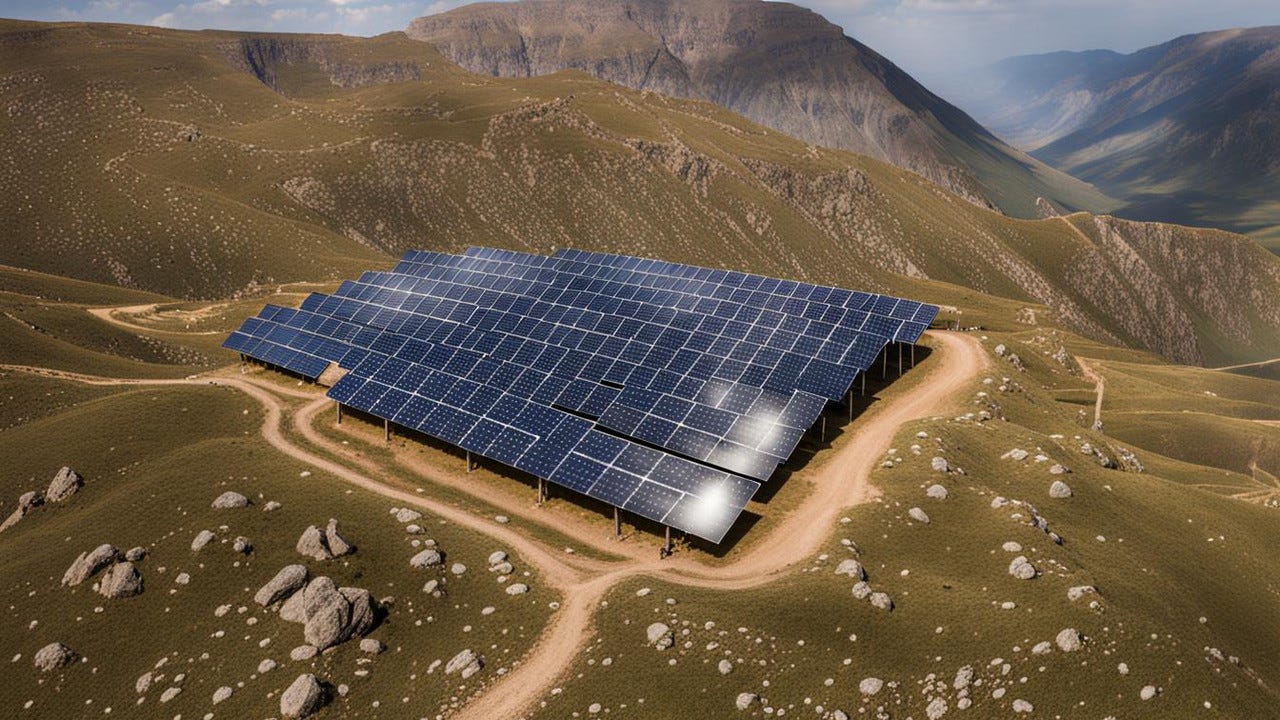
The Importance of Renewable Energy
1. Environmental Benefits
Renewable energy sources, such as solar, wind, and hydropower, offer significant environmental advantages:
Reduction in Greenhouse Gas Emissions: Renewable energy sources produce little to no greenhouse gases during operation, significantly reducing our carbon footprint.
Decreased Air Pollution: By relying on cleaner energy sources, we can reduce air pollution, which is linked to various health issues.
2. Economic Advantages
The economic benefits of renewable energy are substantial:
Job Creation: The renewable energy sector is a significant source of employment, from manufacturing to installation and maintenance.
Energy Independence: By investing in local renewable energy resources, countries can reduce their dependence on imported fuels, enhancing energy security.
3. Sustainability
Renewable energy is inherently sustainable:
Inexhaustible Resources: Unlike fossil fuels, renewable energy sources are abundant and can be replenished naturally.
Long-Term Cost Savings: Although the initial investment can be high, renewable energy systems typically have lower operational costs and provide long-term savings.
Cutting-Edge Innovations in Renewable Energy
1. Solar Power Advancements
Solar energy technology has seen remarkable progress:
Perovskite Solar Cells: These next-generation solar cells offer higher efficiency and lower production costs compared to traditional silicon-based cells.
Bifacial Solar Panels: Bifacial panels capture sunlight on both sides, increasing energy generation by up to 30% compared to conventional panels.
Solar Windows: Innovations in photovoltaic glass allow windows to generate electricity while serving as regular windows, integrating solar power seamlessly into buildings.
2. Wind Energy Technologies
Wind power is becoming more efficient and versatile:
Offshore Wind Farms: Offshore wind turbines can harness stronger and more consistent winds found at sea, significantly boosting energy output.
Floating Wind Turbines: These turbines can be anchored in deep waters where traditional fixed turbines are not feasible, opening up new areas for wind energy development.
Vertical Axis Wind Turbines (VAWTs): VAWTs are more compact and can operate at lower wind speeds, making them suitable for urban environments and smaller installations.
3. Hydropower Innovations
Hydropower remains a reliable renewable energy source, with new technologies enhancing its potential:
Pumped Storage Hydropower: This method stores energy by pumping water to a higher elevation during low demand and releasing it to generate electricity during peak demand.
Marine and Hydrokinetic Energy: Technologies like tidal and wave energy converters harness the power of ocean currents and waves, providing a consistent and predictable energy source.
Small and Micro Hydropower Systems: These systems are designed for small-scale energy generation, ideal for remote and off-grid communities.
4. Energy Storage Solutions
Effective energy storage is crucial for balancing supply and demand in renewable energy systems:
Lithium-Ion Batteries: Widely used for their high energy density and efficiency, these batteries are essential for storing solar and wind energy.
Solid-State Batteries: Offering higher energy densities and improved safety, solid-state batteries are set to revolutionize energy storage.
Grid-Scale Storage: Technologies like flow batteries and compressed air energy storage (CAES) provide large-scale solutions for stabilizing the grid.
5. Smart Grid Technologies
Smart grids integrate renewable energy sources more efficiently and reliably:
Advanced Metering Infrastructure (AMI): AMI enables real-time monitoring and management of energy usage, enhancing grid reliability and efficiency.
Demand Response Systems: These systems allow consumers to adjust their energy usage during peak times in response to price signals or incentives, balancing supply and demand.
Distributed Energy Resources (DERs): DERs, including rooftop solar panels and home batteries, contribute to a more decentralized and resilient energy grid.
The Impact of Renewable Energy Innovations
1. Environmental Impact
Innovations in renewable energy are crucial for mitigating climate change:
Reduced Carbon Emissions: By replacing fossil fuels with renewable energy, we can significantly reduce global carbon emissions.
Preservation of Natural Resources: Renewable energy sources reduce the need for resource-intensive energy production methods, preserving natural habitats and biodiversity.

2. Economic Impact
Renewable energy innovations drive economic growth and stability:
Cost-Effectiveness: Technological advancements are making renewable energy more affordable and competitive with traditional energy sources.
Economic Resilience: Diversifying energy sources with renewables reduces the economic risks associated with volatile fossil fuel markets.
3. Social Impact
Renewable energy fosters social development and equity:
Energy Access: Innovations in renewable energy are expanding access to electricity in remote and underserved communities.
Health Benefits: Reducing air pollution from fossil fuels improves public health and reduces healthcare costs.
The Future of Renewable Energy
1. Integration with Emerging Technologies
The future of renewable energy lies in its integration with other advanced technologies:
Artificial Intelligence (AI): AI can optimize energy production and consumption, improving the efficiency of renewable energy systems.
Blockchain: Blockchain technology can enhance transparency and security in energy transactions, facilitating peer-to-peer energy trading.
Internet of Things (IoT): IoT devices can provide real-time data and control over energy usage, contributing to smarter and more responsive energy systems.
2. Global Collaboration
International cooperation is essential for advancing renewable energy:
Policy Support: Governments must implement policies that encourage the adoption of renewable energy technologies, such as subsidies, tax incentives, and renewable energy mandates.
Research and Development: Collaborative research efforts can accelerate innovation and bring new technologies to market more quickly.
Knowledge Sharing: Sharing best practices and technological advancements across borders can help countries adopt and adapt renewable energy solutions effectively.
3. Public Awareness and Engagement
Raising awareness and engaging the public is crucial for the widespread adoption of renewable energy:
Education Campaigns: Informing the public about the benefits of renewable energy can drive consumer demand and support for renewable energy initiatives.
Community Involvement: Encouraging community-based renewable energy projects can foster local ownership and participation in the transition to sustainable energy.